
Hard Water Exposed – Water Quality Testing for Softeners Revealed
Table of Contents
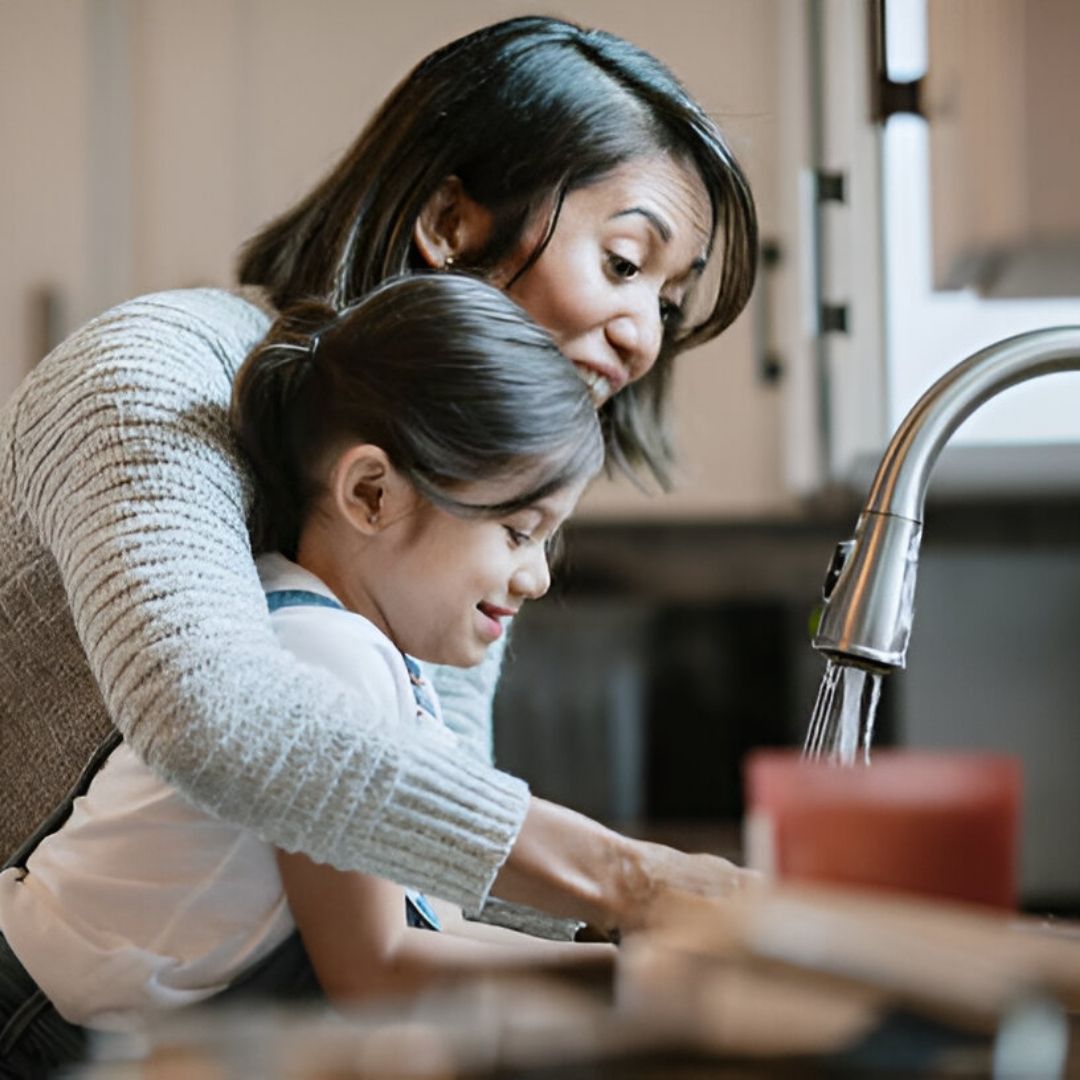
Water hardness testing reveals more than just mineral content—it uncovers the true impact on your home. We've found that DIY kits only scratch the surface, missing critical factors like pH and TDS that professional tests detect. While readings above 10 GPG signal the need for softening solutions, environmental impacts matter too. Understanding these nuances helps you choose between salt-based systems and eco-friendly alternatives that protect both your appliances and our waterways.

Key Takeaways

- Water hardness tests measure calcium and magnesium levels, with readings above 10 GPG indicating need for a water softener.
- Professional water tests provide comprehensive analysis beyond basic hardness, revealing contaminants DIY kits might miss.
- Warning signs like limescale buildup, cloudy glassware, and excessive soap usage suggest hard water requiring treatment.
- Understanding TDS and pH values helps homeowners assess water quality beyond just hardness measurements.
- Environmental impact varies between traditional salt-based softeners and eco-friendly alternatives like Template-Assisted Crystallization systems.
The Science Behind Water Hardness Measurement

When we discuss water softeners, we're really talking about the fascinating science of mineral measurement. At its core, water hardness quantifies the concentration of calcium and magnesium in your supply, primarily measured in grains per gallon (GPG).
We categorize water on a specific scale: soft (0-1 GPG), moderately hard (1-7 GPG), hard (7-14 GPG), and very hard (exceeding 14 GPG). When your water tests above 10 GPG, it's definitely time to contemplate softening solutions.
Professional testing doesn't stop at hardness alone. We examine pH, Total Dissolved Solids, and various contaminants that affect your water's profile.
For those seeking precision, we can express hardness in milligrams per liter of calcium carbonate—anything above 180 mg/L indicates seriously hard water that demands attention.
Identifying Key Warning Signs of Hard Water in Your Home
Understanding water hardness measurements is one thing, but recognizing the telltale signs in your daily life is where theory meets reality.
We've found that cloudy spots on glassware, stubborn limescale on faucets, and persistent soap scum are your home's silent alarms for mineral buildup.
Notice you're using 29% more detergent than recommended? That's hard water interfering with proper lathering.
Even more concerning, your skin might be losing up to 42% of its moisture after showering, potentially triggering dryness and eczema flare-ups.
Your water heater is likely struggling too, operating at just 72% efficiency due to scale accumulation.
When hardness levels exceed 180 mg/L, you're in the danger zone—facing accelerated plumbing damage, appliance deterioration, and rising energy bills.
These warning signs aren't just inconveniences; they're costly red flags demanding attention.
Evaluating Water Test Results: What the Numbers Really Mean
Once you've received your water test results, those columns of figures might seem like a foreign language rather than useful information.
Let's decode what those numbers are really telling you about your water quality.
- Hardness (GPG) - Anything above 10 GPG means you're in softener territory. This measurement directly correlates with scale buildup potential in your pipes.
- Calcium/Magnesium (mg/L) - Readings above 180 mg/L indicate very hard water that's actively damaging your appliances with every use.
- TDS Readings - High numbers here aren't just about hardness—they're red flags for potentially harmful contaminants lurking in your water.
- pH Value - Below 7? Your acidic water is corroding pipes.
Above 8? You're dealing with alkalinity issues affecting taste and cleaning effectiveness.
Comparing Professional vs. DIY Water Testing Methods
Many homeowners find themselves at a crossroads when it comes to water testing—should you invest in professional analysis or grab a DIY kit from the hardware store?
We've found that while DIY kits offer convenience and affordability, they simply can't match the precision of professional testing. Those store-bought tests might indicate basic hardness levels, but they'll likely miss vital contaminants like lead, bacteria, and heavy metals that could be lurking in your water.
Professional testing analyzes multiple samples using advanced methodologies, providing detailed data on hardness, pH, TDS, and potential health hazards.
For well owners especially, annual professional testing isn't just recommended—it's essential.
Think of DIY kits as the first chapter in your water quality story, not the complete narrative. When you're investing in a water softener, you deserve the full picture that only professional testing can reveal.
Environmental Considerations for Different Softening Solutions
Just as careful testing reveals what's in your water, responsible homeowners should also consider what flows back into our environment.
What we learn about our water should inspire responsible choices about what returns to nature's cycle.
Traditional salt-based softeners discharge sodium-rich brine that threatens freshwater ecosystems and agricultural land, with each gallon adding about 750mg of sodium to our water systems.
When selecting a water softening solution, evaluate these environmental factors:
- Brine discharge impact on local waterways and aquatic life
- Regulatory compliance in areas where salt-based systems face restrictions
- Water usage efficiency, especially in drought-prone regions
- Alternative technologies like Template-Assisted Crystallization that provide scale protection without salt
We're seeing a shift toward these eco-friendly alternatives as communities recognize the delicate balance between water quality improvement and environmental stewardship.
The most sophisticated approach considers both your household needs and broader ecological impact.
Frequently Asked Questions
How to Test Water Hardness for Water Softener?
We'll test your water hardness with DIY kits from hardware stores or through professional lab testing. We recommend getting exact GPG measurements to match the perfect softener for your needs.
Why Are States Banning Water Softeners?
We're seeing states ban salt-based water softeners because they discharge high sodium levels that contaminate freshwater, damage soil fertility, and overwhelm treatment facilities. The good news? Eco-friendly alternatives like Template-Assisted Crystallization exist.
What Is Considered Hard Water for Water Softener?
We consider water hard when it exceeds 7 GPG (120 mg/L), but you'll want a softener at levels above 3.5 GPG to protect your appliances and enjoy better soap performance.
How to Tell if a Water Softener Is Bad?
We'll know our water softener's failing when we see persistent limescale, test hardness above 10 GPG, notice soap doesn't lather well, or spot increased water usage during regeneration cycles.

Trending Water Softening & Filtration Topics

Here's What Our Customers Are Saying...
-

“I just wanted to say thank you for your excellent products and service over the past 12 years. ” - Daniel R. - Texas
-

“After we installed the Softpro Elite I noticed a significant difference in the house water quality. ” - Julie M. - Florida
-

“I decided to go with the Softpro water softener over Fleck. Very impressed and satisfied with their products and customer service! ” - Roy P. - California


